
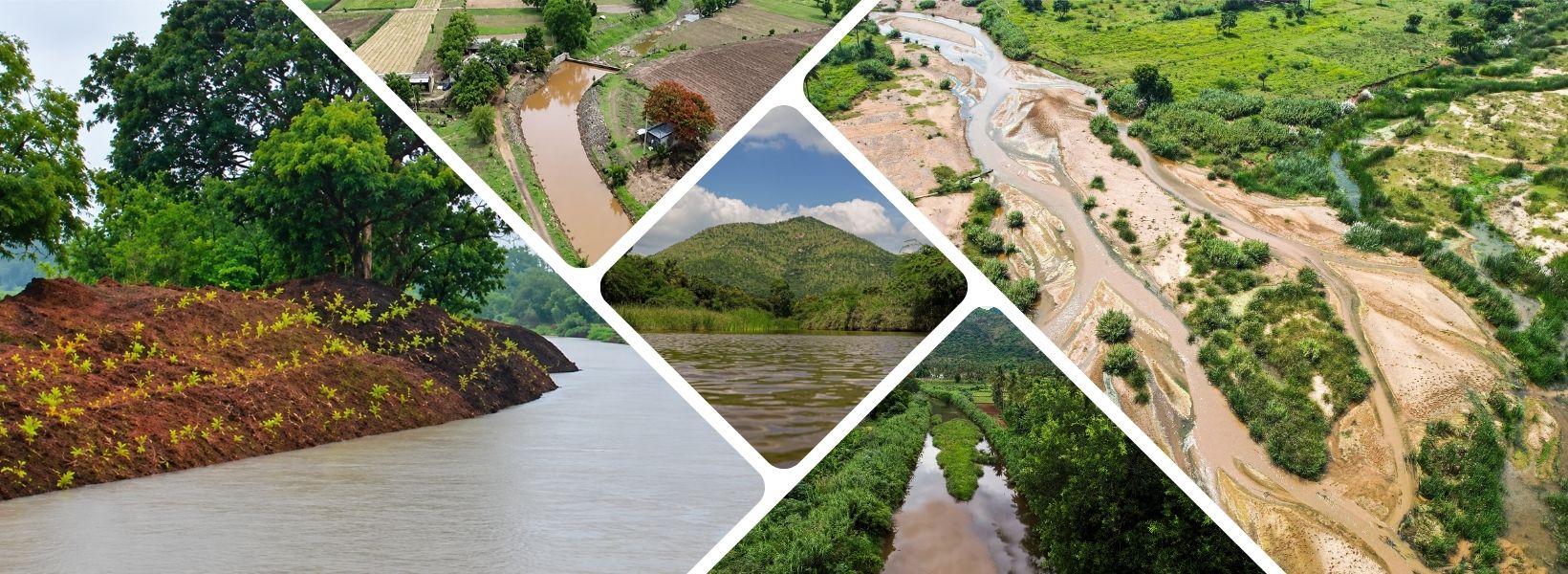
River Rejuvenation
Bringing 75 rivers, streams, and tributaries back to life across 8 states.
Why Rivers Are Dying — and How We Bring Them Back
The cost of rapid development, deforestation, and an ever-increasing demand for water has been paid by India's rivers. Some have disappeared from our maps. Loss of forest cover has reduced the natural recharge of water tables. Silt deposits have choked river beds, reducing their water-carrying capacity. Agricultural runoff, construction along basins, and the disrupted hydrological cycle have all contributed to reduced river flow, soil erosion, and fragile ecosystems.
Since 2013, thousands of Art of Living volunteers have worked to reverse this decline. The river rejuvenation programme identifies the factors affecting river flow and then activates and accelerates the natural process: overland flow, soil moisture restoration, groundwater recharge, and inflow to water bodies and stream networks.
The work spans 8 states:
River Rejuvenation at a Glance
How We Rejuvenate Rivers
River rejuvenation is not a single intervention. It requires a combination of methods, applied in sequence based on site conditions. Each method addresses a different part of the water cycle.
Community Mobilisation and Capacity Building
Training local volunteers, enrolling farmers, and building village-level ownership of the conservation effort. The programme generates 6.5 lakh days of rural employment.
Groundwater Recharge Structures
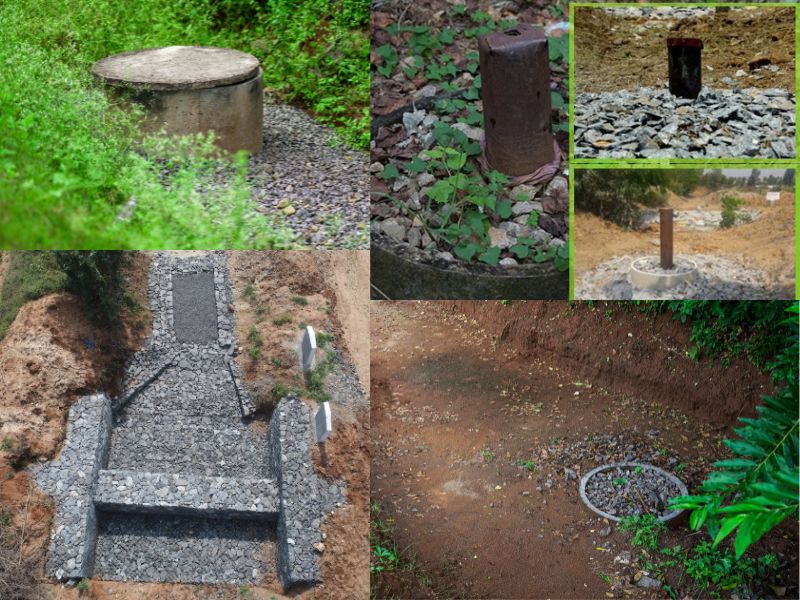
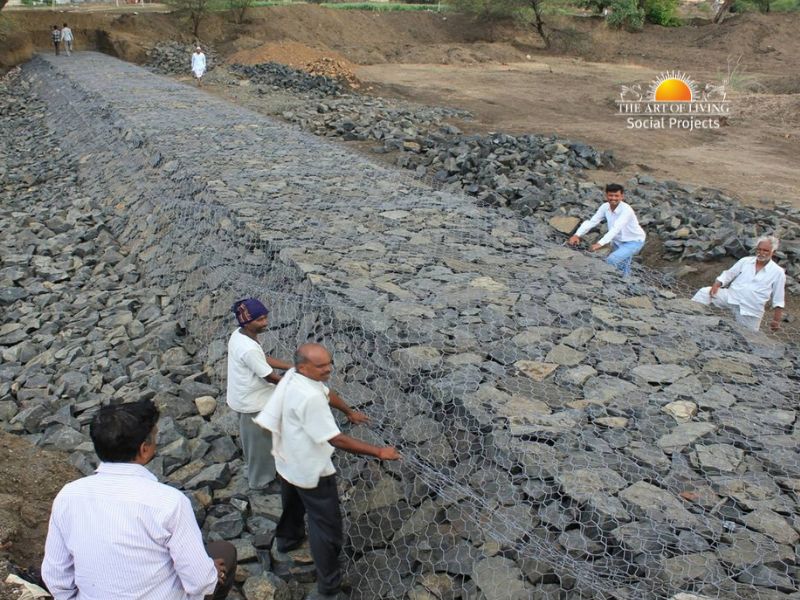
Boulder checks, recharge shafts, recharge wells, recharge borewells, and sub-surface dykes, each suited to different terrain and geology.
Area and Drainage Line Treatment
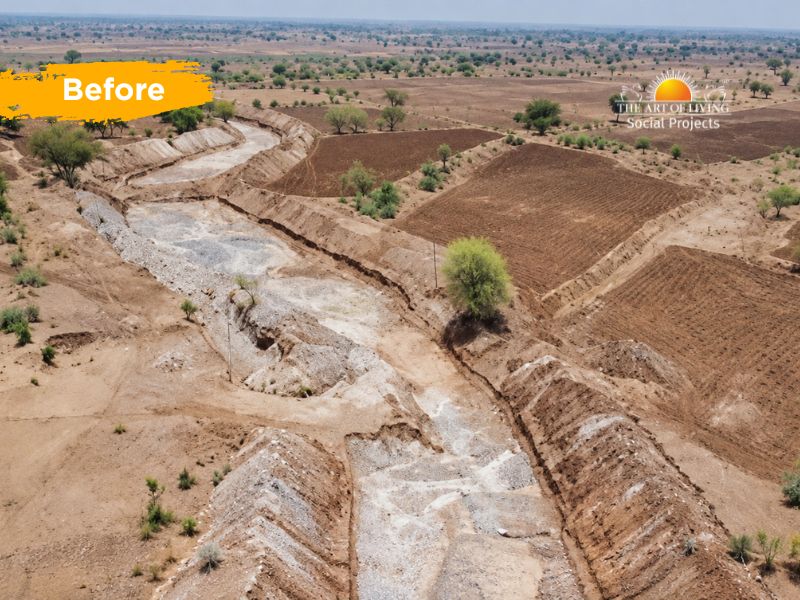
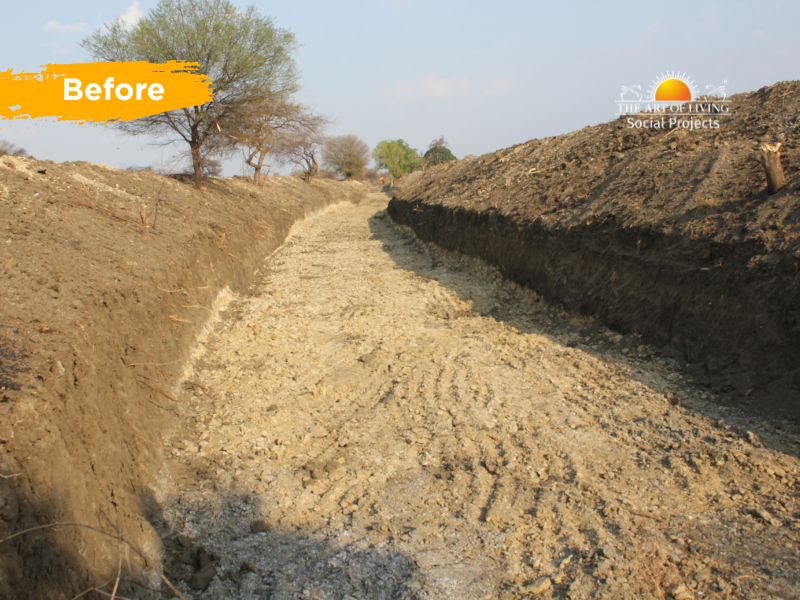
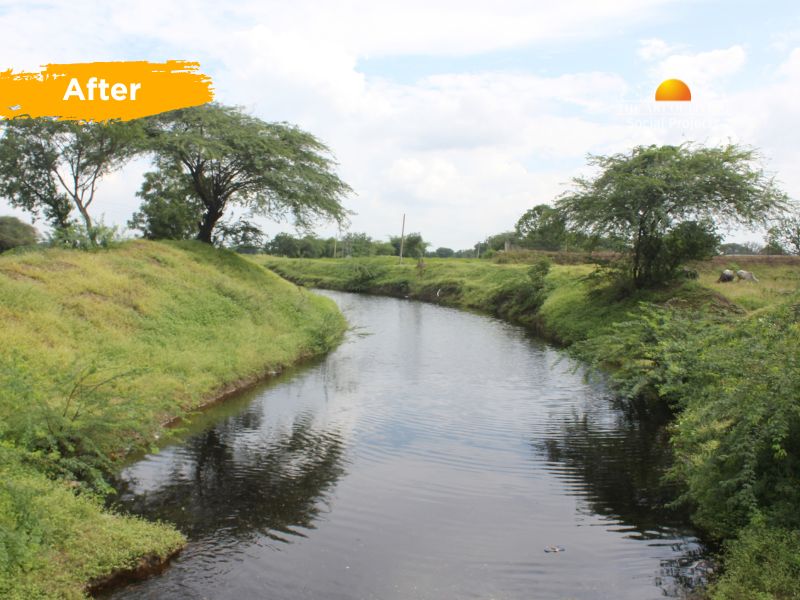
De-silting river beds and nalas to restore water-carrying capacity. The nutrient-rich silt removed from river beds is used as a soil enricher on farms.
Afforestation
Planting native tree species along river basins to stabilise soil, prevent erosion, and increase groundwater recharge. Over 9.12 crore trees planted to date.
Soil Conservation
Deep contour trenches, contour bunds, and earthen bunds to arrest soil erosion and increase soil moisture in areas with low rainfall and steep slopes.
Sustainable Agriculture
Supporting farmers to adopt water-efficient practices that work alongside the restored water systems.
What We Build
Where We Work
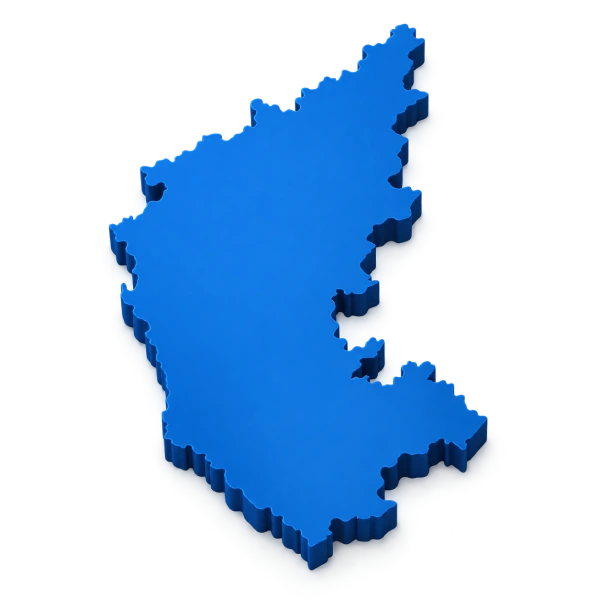
Karnataka
| Metric | Number |
|---|---|
| Rivers/streams being rejuvenated | 22 |
| Recharge structures built | 34,000+ |
| Trees planted | 15,57,000+ |
| Villages benefitted | 13,000+ |
| Area covered | 96,685+ sq km |
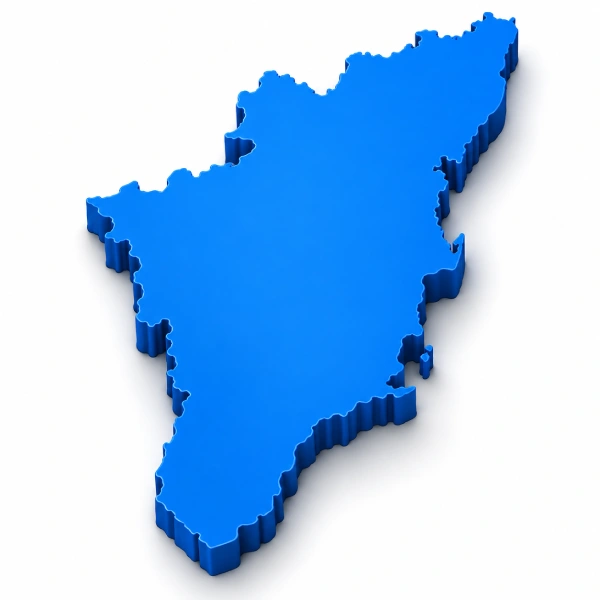
Tamil Nadu
| Metric | Number |
|---|---|
| Rivers/streams being rejuvenated | 24 |
| Recharge structures built | 65,000+ |
| Villages benefitted | 1,400+ |
| Lives impacted | 4,84,000+ |
| Area impacted | 18,085+ sq km |
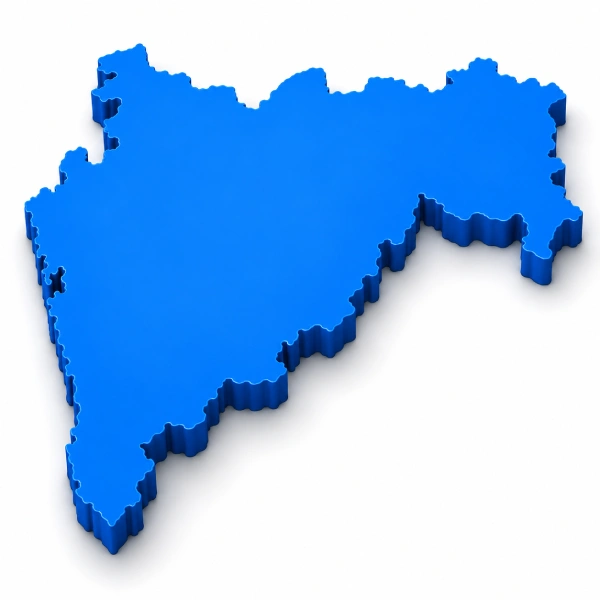
Maharashtra
| Metric | Number |
|---|---|
| Rivers/streams being rejuvenated | 37 |
| Structures built | 23,600+ |
| Trees planted | 7,28,900+ |
| People benefited | 20,75,000+ |
| Districts covered | 27 |
| Cubic metres desilted | 2,39,29,900+ |
| Area influenced | 941+ sq km |
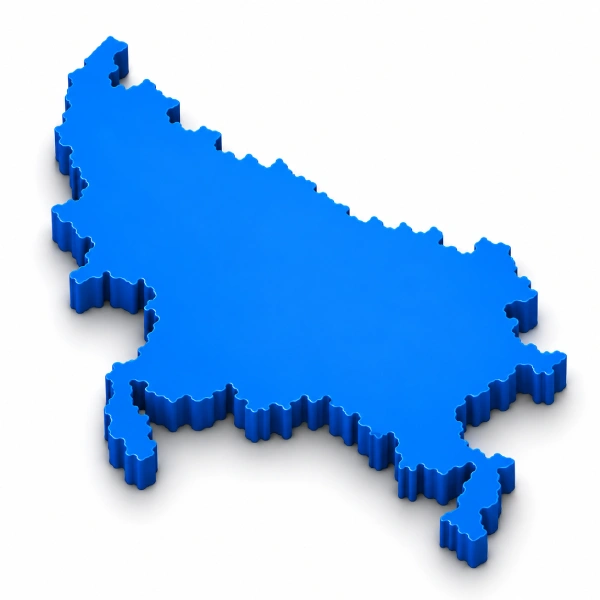
Uttar Pradesh
| Metric | Number |
|---|---|
| People in water literacy programmes | 6,500+ |
| Recharge shafts built (in 56 ponds) | 141+ |
| Villages benefited | 41 |
| Sub-surface dykes | 1 |
Notable project: Haiderpur Wetland conservation at India's 47th Ramsar Site (see the Haiderpur Wetland page).
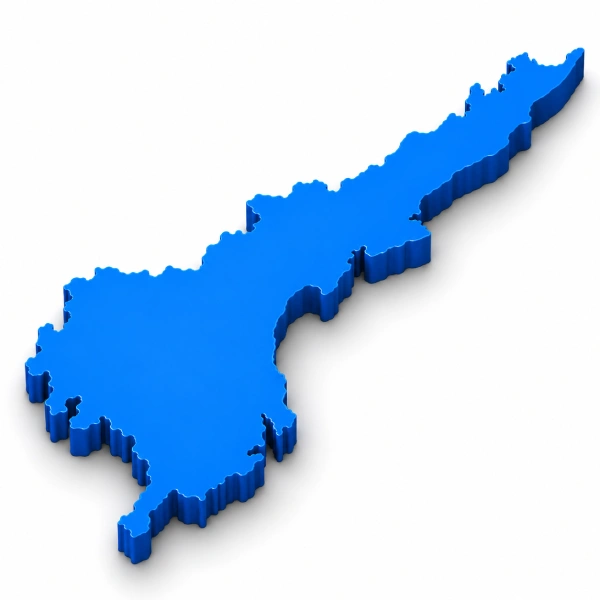
Andhra Pradesh
River rejuvenation work has been started in the Penna and Papagani river basins in Cuddapah and Ananthapur districts.
Other States
Work is in progress or under discussion in Punjab, Telangana, and Madhya Pradesh.
The Difference on the Ground
Bhada Nala De-Silting
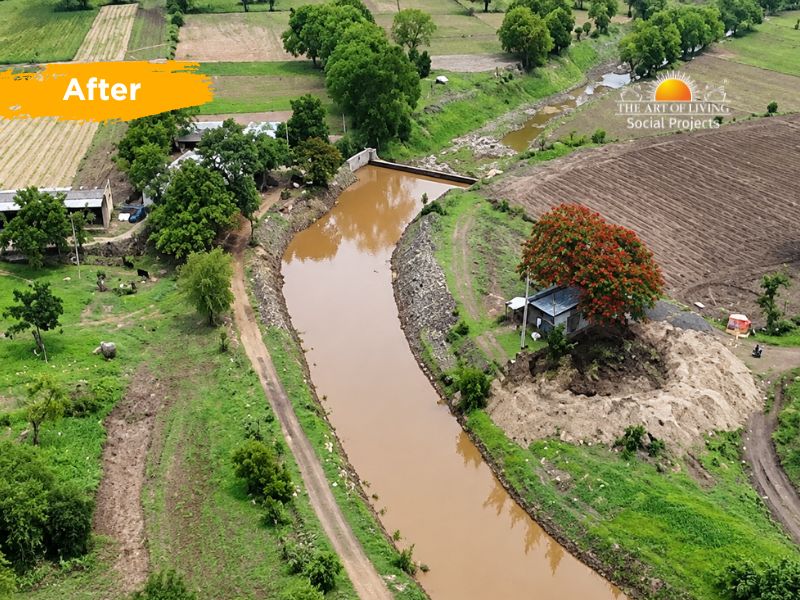
Manjara River De-Silting
More From the Field
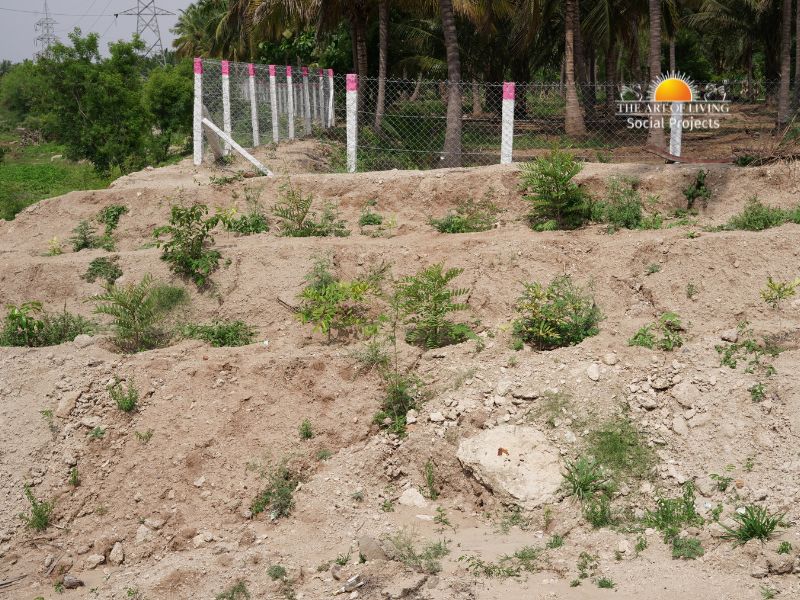
A River Reborn: The Story of Naganadhi
The Naganadhi river in Vellore District, Tamil Nadu had been dry for decades. No one alive in the surrounding villages remembered it flowing.
In 2020, The Art of Living began work on its revival. Over 44,000 rural women from surrounding villages joined the effort, participating in de-silting, building recharge structures, and planting trees along the river basin. Over 2,50,100 seeds were sown along the banks, an effort that earned official recognition from the World Records Union.
After 1,095 days of sustained work, the Naganadhi began flowing. As of August 2024, it has flowed continuously for over three years, bringing water back to villages that had gone without it for generations.
The achievement was recognised nationally: Shri Chandrashekar Kuppan, The Art of Living's Tamil Nadu State Director for River Rejuvenation, was invited by PM Modi's Mann Ki Baat team to participate in the 75th Republic Day Parade in New Delhi in January 2024.
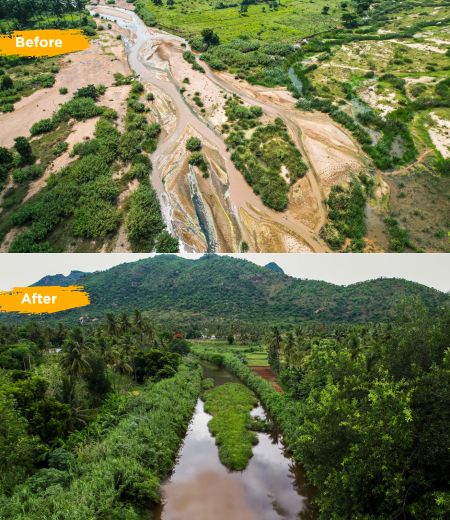
Restoring Green Cover
Tree plantation is central to every river rejuvenation project. Native species are chosen to stabilise soil, support biodiversity, and improve the microclimate around water bodies.
Guttahalli Hills, Palar River Basin (Karnataka)
30,000 saplings of over 20 native tree species have been planted across 60 hectares of Gomala lands, part of a broader 70+ hectare restoration effort.
Manjra River Basin (Latur, Maharashtra)
Groundwater levels had dropped to 500 feet during the 2016 drought. Over 30,000 trees now thrive following extensive rejuvenation and plantation work. The region once required daily water delivery by 125 tankers and emergency trains.
Kale Belgunda Village (Karnataka)
Over 3,000 plants have been integrated into agroforestry practices to improve green cover and soil moisture, with an additional 1,400 plants for horticulture, creating an alternative income stream for farmers.
Rivers Connect Us All. Help Bring Them Back.
Every contribution funds de-silting work, recharge structures, tree plantation, and community mobilisation across 8 states.